


Dove (e come) nasce la musica elettronica? Il musicologo Pasdzierny e il fotografo Cacciatore indagano la dimensione privata, tra Berlino e Il Cairo, della scena EDM
David Bowie, Aretha Franklin, i Nirvana, ma anche Lucio Fontana, Frida Kahlo, Giorgio De Chirico. Sono solo alcuni degli esempi di artisti immortalati all’interno di studi – di registrazione o pittorici – in un momento creativo in cui il come e il dove si fondono per essere restituiti su tela, o impressi su nastri.

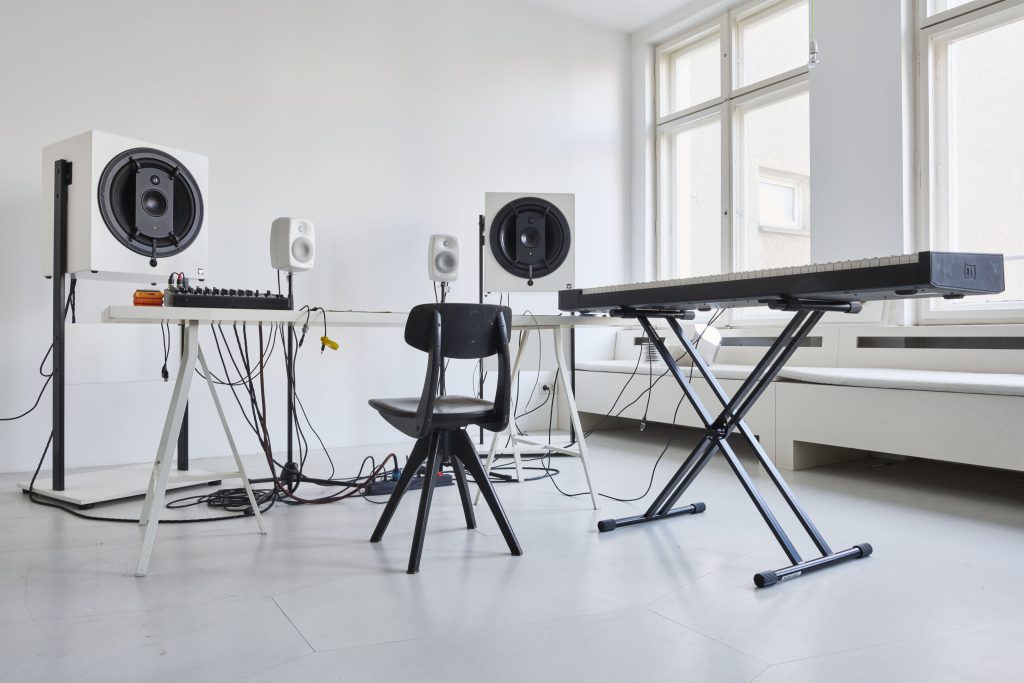
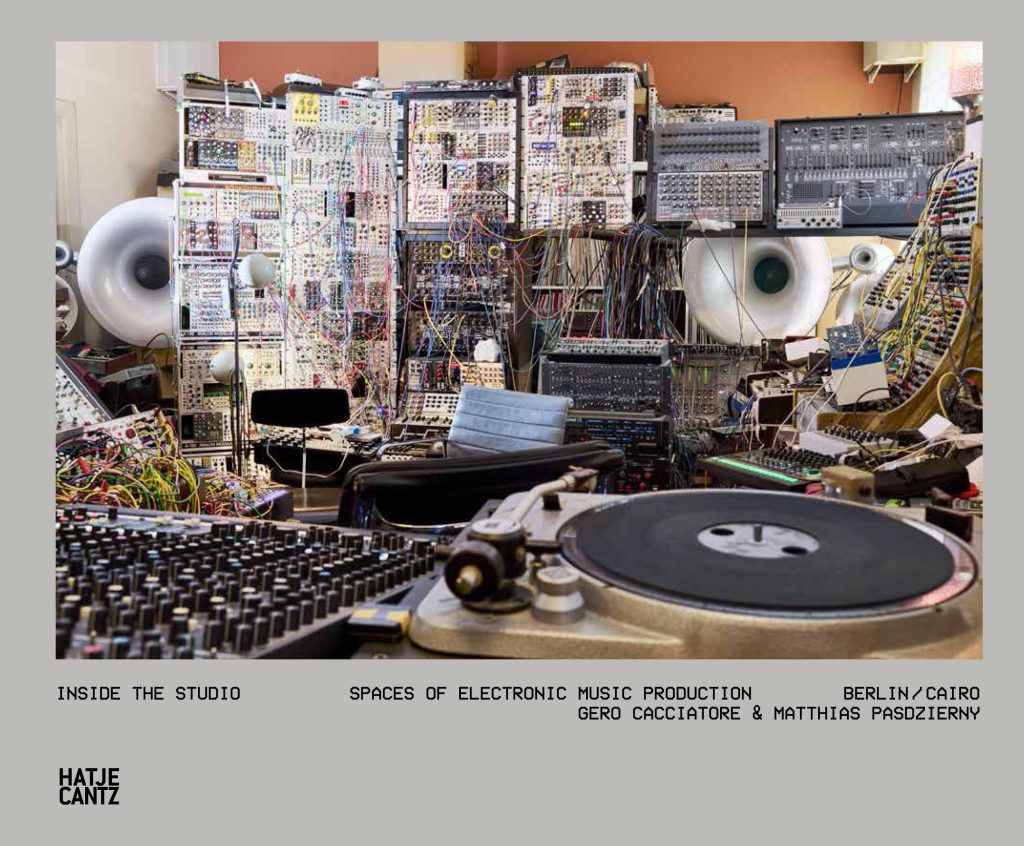
Se, però, si pensa alla musica elettronica, tendenzialmente non si immaginano gli studi degli artisti, dove una traccia nasce, ma dove la si fruisce, in club o festival. Nasce da questo spunto di riflessione l’indagine del professore Matthias Pasdzierny, musicologo esperto di storia della techno e della musica dance elettronica dell’Università delle Arti/Accademia delle Scienze e delle Lettere di Berlino-Brandeburgo, e il fotografo Gero Cacciatore. L’unione tra i due profili professionali ha portato a un reportage di viaggio musicale, il volume Inside the studio. Spaces of Electronic Music Production. Berlin/Cairo edito da Hatje Cantz che porta alla luce la dimensione più intima di quella musica esperita, per lo più, collettivamente.
Non solo una dimensione inesplorata, ma anche una combinazione di due differenti scenari non scontati, Berlino e Il Cairo, nata in seno a un progetto di ricerca dell’Arab-German Young Academy of Sciences and Humanities (AGYA) composto da interviste e foto in grado di dar vita a un affresco pieno di peculiarità e manifestazioni di diverse sensibilità artistiche ed estetiche, capaci di restituire al lettore un punto di vista unico intorno al lavoro di artisti e artiste.
Ne abbiamo parlato con i due autori.
Domanda per entrambi: come è nata la vostra collaborazione e con quale scopo avete unito le vostre competenze per questo progetto?
M.P.: «l’idea del progetto ha quasi dieci anni, ma ha preso veramente piede solo durante il periodo della pandemia, perché tutti i DJ erano a casa e nei loro studi ed erano persino felici di ricevere visite. E già allora mi era chiaro che per questo progetto non sarebbe stata presa in considerazione nessuna persona che lo vedesse semplicemente come un lavoro, ma solo qualcuno di avventuroso che fosse anche aperto a cose nuove. E siccome io e Gero siamo amici da molto tempo, mi era chiaro che noi due potevamo essere una combinazione perfetta. All’inizio ho dovuto convincerlo un po’, perché prima non era molto addentro alla scena techno ed EDM. Ma dato che all’epoca viveva ancora a Berlino, la cosa è avvenuta abbastanza rapidamente e spero che non si sia pentito di essersi fatto coinvolgere in questo viaggio».
G.C.: «è iniziato con una telefonata da parte di Matthias e un invito a fare una passeggiata lungo il Kanal a Berlino per parlarne. La sua idea era quella di rappresentare visivamente l’ambiente in cui la musica viene prodotta, allo stesso modo in cui gli studi degli artisti o le scrivanie degli scrittori hanno ispirato un genere di libri fotografici. Come arrivarci è stato chiaro fin dall’inizio: lui, in qualità di musicologo, si sarebbe occupato della scelta musicale e delle interviste, io, come il “visual guy”, avrei cercato di trovare una chiave fotografica».
Question for both: how did your collaboration begin and with what purpose did you combine your skills for this project?
M.P.: «the idea for the project is almost ten years old, but only really got off the ground during the Corona period because all the DJs were at home and in their studios and were even happy to have visitors. And back then it was clear to me that no one would have been considered for this project who simply saw it as a job, but only someone adventurous who was also open to new things. And because Gero and I have been friends for a long time, it was clear to me that the two of us could be a perfect combination. At first I had to persuade him a bit, because he hadn’t really been in touch with the techno and EDM scene so much before. But as he was still living in Berlin at the time, it actually happened pretty quickly and I hope he hasn’t regretted getting involved in this trip so far».
G.C.: «it started with a phone call from Matthias and an invitation to a walk along the Kanal in Berlin to talk about it. His idea was to visually represent the environment where the music is produced in the same way artist studios or writer’s desks has inspired a genre of photo books. How to get there was clear from the beginning : he as a musicologist would have deal with the music choice and the interviews , me as the “visual guy” would have tried to find a photographic key».
Matthias Pasdzierny, come sono stati selezionati gli artisti?
«Abbiamo iniziato con amici intimi a Berlino, anche per testare il concetto. Da lì, molte scelte sono state fatte tramite una sorta di sistema a palla di neve: i primi produttori che abbiamo incontrato ne suggerivano altri, perché sapevano che avevano spazi interessanti, ecc. Soprattutto a Berlino, dove vivono letteralmente migliaia di produttori, abbiamo cercato di mostrare un’ampia gamma: superstar molto famose, artisti di nicchia un po’ “nerd”, giovani ed emergenti, così come DJ molto professionali e affermati, produttori “da cameretta” e quelli con lussuosi studi multimilionari, ecc. Al Cairo scena e rete di contatti erano molto più piccole ed eravamo entusiasti di incontrare, su raccomandazione, ad esempio anche giovani produttrici molto interessanti».
Matthias Pasdzierny, how were the artists chosen?
«We started with close friends in Berlin, also to try out the concept. From there a lot of choices where made by a kind of snowball system: the first producers we met suggested others, because they knew that they had interesting places etc. Especially in Berlin, where literally thousands of producers live, we tried to show a big range: very famous superstars, nerdy niche artists, young and upcoming as well as highly professional and established djs, bedroom producers and the ones with fancy multimillion studios etc. In Cairo the scene and network is much smaller and we where thrilled to meet, by recommendation, for example also very interesting young female producers».
La dimensione intima degli studi degli artisti si riflette nella loro opera?
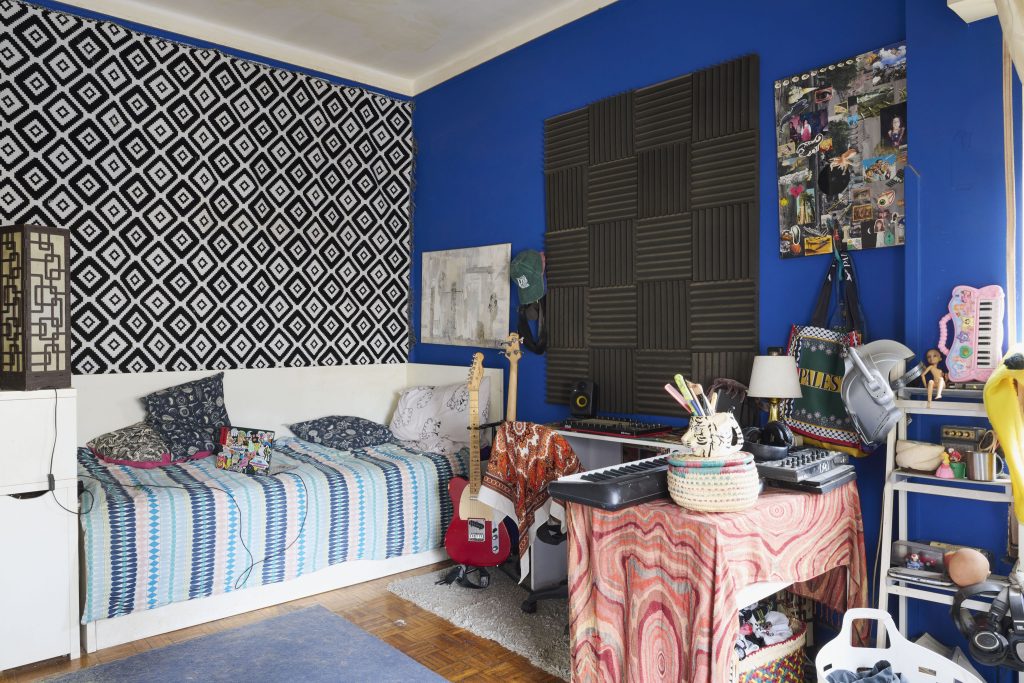
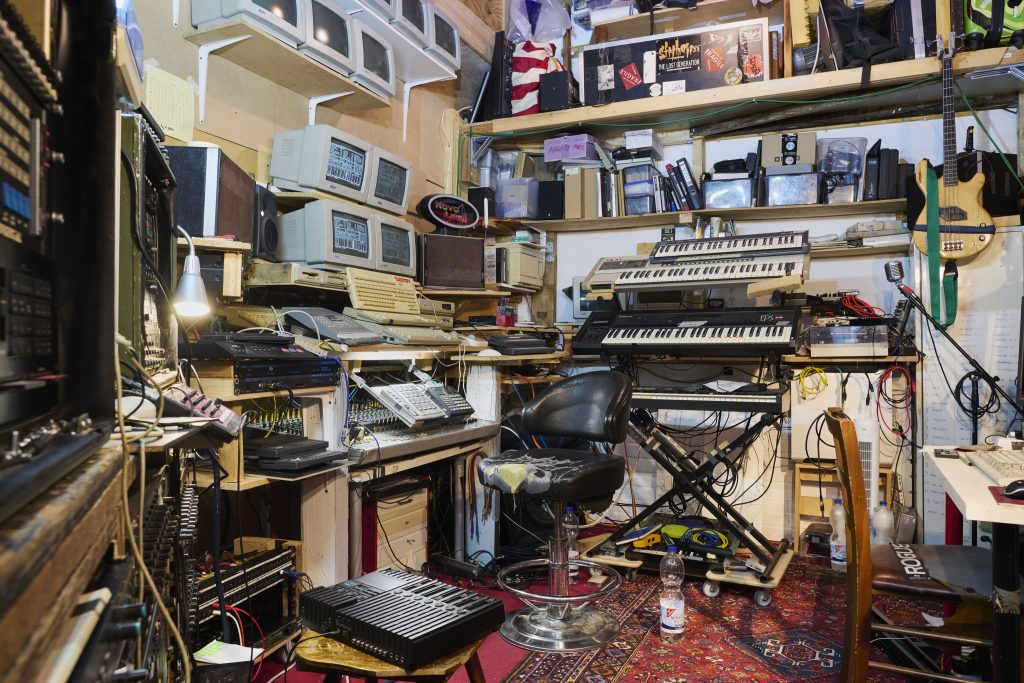
«Questa è un’ottima domanda e in realtà è uno degli argomenti principali del libro. Sasha Perera, una delle artiste berlinesi che abbiamo incontrato, ha dato una risposta molto ironica ma anche efficace. Ha detto che gli studi riflettono decisamente il lavoro delle persone e se il tuo studio assomiglia a uno scaffale Billy di Ikea, forse anche la tua musica suona come uno scaffale Billy. Quindi, specialmente di questi tempi, in cui tecnicamente puoi fare tutta la produzione su un computer e con le cuffie, potresti chiederti, come fa Westbam nella postfazione del libro, perché dovresti ancora avere uno studio vero e proprio, che richiede molto tempo e denaro per essere mantenuto. E così nel libro ci sono molte risposte diverse a questa domanda, sia risposte concrete, ma ovviamente anche attraverso le splendide foto di Gero che mostrano come questi luoghi siano progettati e come riflettano esattamente questa questione: che tipo di ambiente, che tipo di spazio costruiresti intorno a te per trasformare le tue idee in frequenze, per lavorare su suoni e beat, magari per avere altri musicisti intorno, eccetera. Così nel libro si trova un’ampia gamma di concetti, da studi come celle monastiche minimaliste (dove poi vengono prodotte le tracce club più potenti) a luoghi che sembrano la sala di controllo di una centrale nucleare, a loft hipster accoglienti con piante di monstera o spazi collettivi simili a sale prova per band, dove ballare, produrre e fare festa vanno di pari passo».
Does the intimate dimension of the artists’ studios reflect in their creations?
«That’s a very good question and actually one of the main topics of the book. Sasha Perera, one of the Berlin artists we met, she had a very ironic but also striking answer. She said studios definitely reflect peoples work and If your studio looks like a Billy shelf from Ikea, maybe your music also sounds like a Billy shelf. So, especially in these days, where you can technically do all your producing on a computer and with headphones, you could ask yourself, as Westbam does in the afterword of the book, why you still would have a proper studio at all, which needs a lot of time and money to take care of. And so there is a lot of different answers to this question in the book, in terms of real answers, but also of course also through Gero’s great photos which show, how these places are designed and how they reflect exactly this question of what kind of environment, what kind of space you would build around yourself to put your ideas into frequencies, to work on sounds and beats, maybe to have other musicians around etc. Again, there is a wide range of concepts to be found in the book, from studios as minimalist monastic cells (where than the fattest club tracks are produced) to places that look like the control room of a nuclear power plant to cosy hipster lofts with monstera plants or collective spaces similar to band rehearsal rooms, where dancing, producing and partying go hand in hand».
Perché Berlino e Il Cairo?
«Berlino ovviamente è una scelta scontata. Da quando la scena techno berlinese è stata inclusa nella Lista del Patrimonio Culturale Immateriale dell’UNESCO, la reputazione globale della città come metropoli della techno è stata ufficialmente “certificata”. Inoltre, qui esiste da 30 anni un’ampia infrastruttura di club, etichette discografiche, aziende tecnologiche legate alla musica e, naturalmente, molti DJ e produttori attivi a livello internazionale. Il Cairo, d’altra parte, ha una storia molto più breve di musica dance elettronica; di fatto, esiste una scena vera e propria solo dalla cosiddetta Primavera Araba all’inizio degli anni ‘10 del Duemila. Inizialmente, l’inclusione del Cairo nel progetto era dovuta anche a una ragione più esterna, ovvero la questione del finanziamento del libro, che è stato poi preso in carico dall’Arab-German Young Academy of Sciences and Humanities. Includere il Cairo, comunque, si è rivelata una vera fortuna, in primo luogo per non celebrare ancora una volta Berlino in modo puramente affermativo come capitale della techno (dove pure ci sono problemi), ma anche perché ci ha dato l’opportunità di confrontare le due scene».
Why Berlin and Cairo?
«Berlin of course is an obvious choice. Since the inclusion of Berlin’s techno scene on the UNESCO Intangible Cultural Heritage List, the city’s global reputation as a techno metropolis has been officially “certified”. In addition, a broad infrastructure of clubs, labels, music-related tech companies, of course, of many internationally active DJs and producers has existed here for 30 years. Cairo, on the other hand, has a much shorter history of electronic dance music; in fact, there has only been a scene of sorts since the so-called Arab Spring in the early 2010s. Initially, it was also more of an external reason for including Cairo into the project, namely the question of funding the book, which was then taken over by the Arab-German Young Academy of Sciences and Humanities. But then it was a real stroke of luck to include Cairo, firstly so that we didn’t just affirmatively once again celebrate Berlin as the techno capital (where there are also problems), but also because it gave us the opportunity to compare the two scenes».
Gero Cacciatore, la sfida in questi casi è quella di rendere visibile una dimensione solo udibile, come ti sei approcciato a questo progetto?
«Dato che la scena della musica dance elettronica era molto lontana da me, il mio approccio è stato puramente visivo. Non volevo documentarmi sugli artisti famosi o essere influenzato dall’ascolto della loro musica prima di uno shooting. Cercando di trasformare la mia ignoranza su questa musica in un vantaggio per la mia fotografia. Questo mi ha permesso di vedere tutto veramente per la prima volta e di mantenere una certa distanza utile tra musica e foto. La fotografia è un medium muto; attraverso segni e zone di colore stampati su carta ognuno può creare il proprio immaginario, esattamente come la musica, quindi ecco la connessione tra i due mondi».
Gero Cacciatore, in these scenarios, the challenge is to make visible a dimension that is only audible, how did you approach to this project?
«As this electronic dance music scene was very far from me, my approach was purely visual. I didn’t want to read up about the famous artists or be influenced by listening to their music before a shooting. Trying to turn my ignorance about the EDM music into an advantage for my photography. This allowed me to see everything really for the first time and to keep a certain useful distance between music and photos. Photography is a mute medium, through signs and fields of colour printed on paper everyone can create his own imagery, exactly like music, so there is the connection between two worlds».
Quale tecnica fotografica hai scelto per restituire l’autenticità di un ambiente così importante per l’artista come il suo studio?
«Tecnicamente è stato semplice: un treppiede, un obiettivo e una macchina fotografica. Ho sempre cercato di usare le luci che gli artisti stessi usano nel loro studio, eventualmente mescolate alla luce naturale. Le luci artificiali sono state utilizzate solo per luoghi estremamente bui».
Which photographic technique did you choose to convey the authenticity of an environment as important to the artist such as his studio?
«Technically it was easy: a tripod, a lens and a camera. Always tried to use the lights artist themselves use in their studio, mixed with natural light eventually. Use of artificial lights was for extremely dark places only».
E, per concludere, avete scoperto scenari completamente diversi o con un certo grado di affinità?
«Naturalmente ci sono molte somiglianze nel modo in cui generalmente si crea il proprio spazio di produzione, negli elementi centrali (tecnici). Ma ci sono anche alcune differenze tra Berlino e Il Cairo. La più ovvia è che tutte le stanze al Cairo hanno l’aria condizionata; poi c’è la questione della polvere e della sabbia in una città desertica, che è un grosso problema per i dispositivi elettronici. Abbiamo anche percepito che la scena molto più piccola del Cairo ha anche un senso di comunità e solidarietà più forte: tutti conoscono tutti, le persone si aiutano a vicenda prestandosi attrezzature, condividendo conoscenze, eccetera. Anche dal punto di vista sociale c’erano differenze dato che, ad esempio, per una donna single è molto difficile in una città araba come Il Cairo affittare un posto per conto proprio, anche solo come studio; il controllo sociale è molto forte. Anche economicamente, il problema è che la maggior parte dei produttori deve suonare all’estero o avere un lavoro quotidiano per vivere di musica elettronica. E se suonano all’estero, ci si aspetta spesso che i DJ del Cairo e dei Paesi arabi in generale suonino e producano uno stile con cliché molto cheap in cui si mescolano beat elettronici con strumenti e pattern ritmici arabi (ad esempio come Omar Souleyman).
A Berlino la gamma è ovviamente molto più ampia, dalle superstar internazionali che guadagnano davvero molto (ancora per lo più uomini, in realtà) alle persone che devono anch’esse faticare, soprattutto perché gli affitti a Berlino sono diventati sempre più alti negli ultimi dieci anni. Anche musicalmente c’è molta varietà di stili e generi. Il problema qui è talvolta l’eccesso di offerta, ma anche la crescente commercializzazione e professionalizzazione della musica elettronica, dove l’atmosfera da underground e sottocultura sta degenerando sempre più in un mero sfondo».
And, to conclude, another question for both: did you discover completely different scenarios or with a certain degree of affinity?
«Of course there are a lot of similarities in terms of how you would generally create your space of producing, the core (technical) elements of it. But there are also some differences between Berlin and Cairo. Most obviously all the rooms in Cairo have air condition, then you have the problem of dust and sand in a desert city, which is a big problem for electronic devices. Also we felt that the much smaller scene in Cairo has also a stronger sense of community and solidarity, everyone knows everyone, people help each other out with lending equipment, sharing knowledge etc. Also from a social point of view you had differences, as for example as a single woman it is very difficult in an Arab city like Cairo to rent a place on your own, even as a studio, the social control is very strong. And also, economically, there is the problem that most of the producers have to play abroad or need a daily job to make a living from electronic music. And if they play abroad it is often expected that DJs from Cairo and Arab countries in general play and produce a very cheap clichee style where you would mix electronic beats with arab instruments and rhythm patterns (for example like Omar Souleyman).
In Berlin the range is much bigger of course, from international superstars earning really a lot (still mostly men actually) to people which also have to struggle, especially since the rents in Berlin get also higher and higher the last ten years now. But also musically you have a lot of different styles and genres. The problem here is sometimes the oversupply, but also the increasing commercialisation and professionalisation of electronic music, where the vibe as an underground and subculture is increasingly degenerating into a mere backdrop».
Foto di copertina: dettaglio dello studio di Paula Schopf, Berlino, 2021 © Gero Cacciatore
di: Flavia DELL’ERTOLE
